
Key Takeaways
- Teenage skin produces more oil due to hormonal shifts, making consistent cleansing and non-comedogenic products essential for managing breakouts.
- Homemade masks using honey, oatmeal, or yogurt can calm irritation, but patch testing on a small area first prevents unexpected reactions.
- Sunscreen remains the most overlooked yet most protective step, with most trending online routines skipping it entirely.
- A simple three-step approach of cleanse, moisturize, and protect outperforms complicated multi-product regimens for most young skin types.
- Diet, hydration, and sleep influence skin clarity just as much as topical products, so lifestyle habits should run alongside any routine.
- Dermatologist input is worth seeking when breakouts turn cystic, painful, or leave dark marks that do not fade.
- Building a routine should feel calming and empowering, not stressful or driven by social media comparison.
Why Teen Skin Deserves Its Own Approach
Adolescence throws a lot at the body, and the face often takes the biggest hit. Hormones surge, oil glands kick into overdrive, and suddenly the mirror shows blackheads, redness, or shiny patches that were not there a year ago. This is completely normal, but it can feel isolating when every scroll through social media shows flawless faces.
The thing is, teen skin is not simply adult skin that is younger. It behaves differently, reacts more quickly, and heals faster in some ways while scarring more easily in others. That means borrowing a parent’s anti-aging serum or copying a celebrity’s ten-step routine often backfires. A smarter approach starts with understanding what adolescent skin actually needs before adding anything to it.
According to CeraVe, acne is the most common skin condition in adolescents, affecting roughly 85% of people between 12 and 24. That statistic reframes breakouts as a near-universal experience rather than a personal failing. Understanding this takes some of the pressure off and opens the door to routines that work with the skin instead of punishing it.
Comparing Store-Bought vs. DIY Formulas
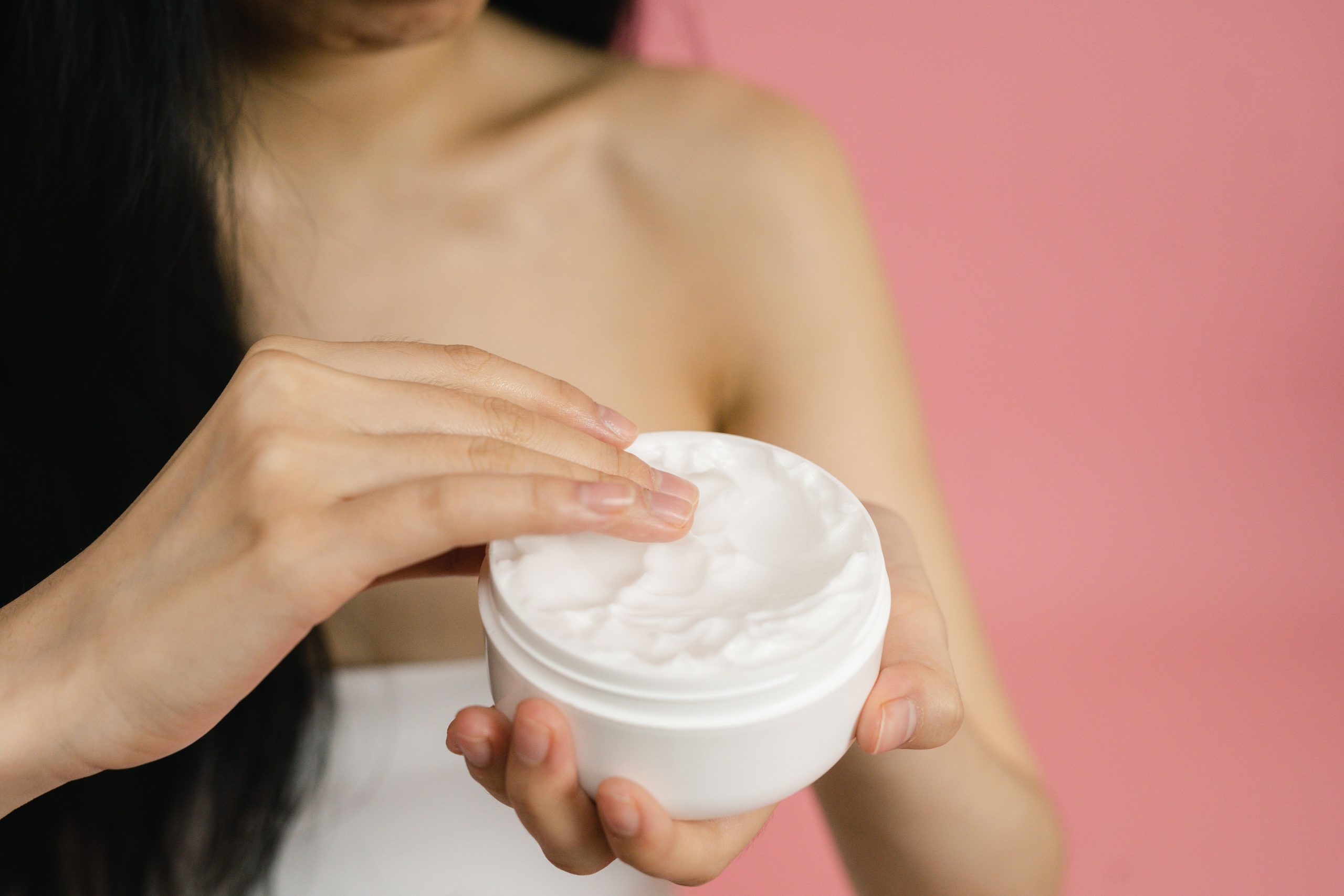
Walk down any pharmacy aisle and the options feel endless. Foaming cleansers, clay masks, salicylic acid pads, retinol creams marketed to teens. On the other side sits the DIY world, where ingredients from the kitchen get mashed into pastes and spread across cheeks. Both camps have loyal fans, and both have genuine strengths and drawbacks.
Store-bought products offer consistency. The concentrations are tested, the shelf life is predictable, and the active ingredients are measured. DIY approaches, meanwhile, offer customization and transparency. You know exactly what is in the bowl because you put it there. The trade-off is that natural does not always mean gentle, and lemon juice or baking soda can damage the skin barrier faster than any drugstore cleanser.
Here are some common DIY ingredients and what they actually do:
- Honey: naturally antibacterial and soothing, works well as a short mask
- Oatmeal: calms itching and mild irritation when mixed with water
- Plain yogurt: contains lactic acid for gentle exfoliation
- Green tea: offers antioxidants when cooled and used as a toner
- Aloe vera gel: hydrates and reduces redness after sun exposure
The smartest routines often blend both worlds. A reliable store-bought cleanser paired with an occasional homemade mask gives structure without rigidity.
What Should a Basic Routine Actually Look Like?
Three steps. That is really all most teens need to start with. Cleanse in the morning and evening, moisturize afterward, and apply sunscreen before leaving the house. Anything beyond that is optional and should be added slowly, one product at a time, so any reactions can be traced back to a specific cause.
The order matters more than people realize. Thinner products go first, thicker ones last. That means water-based toners before creams, and sunscreen as the final morning step. Evening routines can skip sunscreen but should always end with moisturizer, even on oily skin, because stripped skin produces even more oil to compensate.
The Role of Sunscreen
Sunscreen is the single product no routine should skip, yet it is the one most often left out. According to Baptist Health, an analysis of popular online skincare regimens found that only 26 percent included sunscreen, despite it being considered the most important product for skin at every age. UV damage accumulated during the teen years sets the stage for pigmentation and premature aging later. A lightweight mineral or chemical formula applied daily is the single best investment a young person can make in their skin.
Weighing Routines Against Lifestyle Habits
Topical products can only do so much. Someone washing their face three times a day while running on four hours of sleep and skipping water is fighting an uphill battle. Skin reflects what happens inside the body, and lifestyle factors often outweigh whatever is sitting on the bathroom shelf.
Sleep repairs skin cells. Hydration flushes toxins. Diet influences inflammation, which can show up as acne flares. None of this means a perfect lifestyle produces perfect skin, because genetics and hormones still call many of the shots. But small habit shifts often produce bigger results than switching cleansers every few weeks.
Among the most helpful self-care activities for teenagers who want clearer skin are:
- Drinking water consistently throughout the day rather than chugging it at once
- Getting seven to nine hours of sleep on a regular schedule
- Washing pillowcases weekly to reduce bacteria transfer
- Keeping hands and phones away from the face
- Eating whole foods and limiting excessive dairy or sugar if breakouts worsen after consumption
These habits cost nothing and often make the biggest difference. They also reinforce the idea that skincare is part of a larger picture, not a standalone obsession.
DIY Masks and Treatments Worth Trying at Home
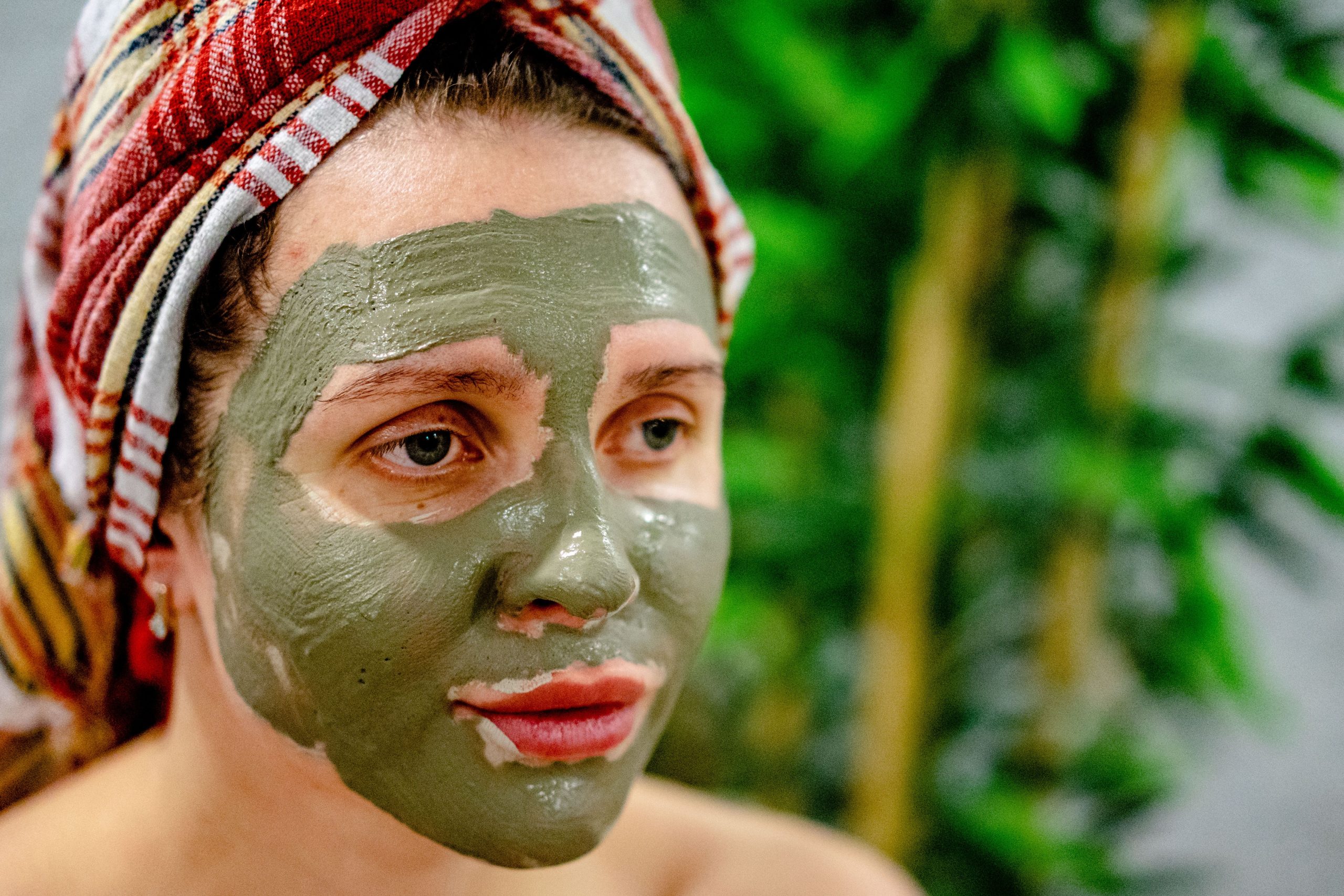
Not every homemade concoction belongs on the face, but a handful of simple mixes have stood the test of time. The key is using fresh ingredients, applying them for the right amount of time, and never leaving anything on overnight unless the recipe specifically calls for it. Patch testing on the inner arm for 24 hours catches most sensitivities before they reach the face.
A honey and oatmeal mask works well for inflamed skin. Mix a tablespoon of raw honey with two tablespoons of finely ground oats and a splash of warm water. Spread it on, wait fifteen minutes, rinse with lukewarm water. For dry patches, mashed avocado with a teaspoon of olive oil hydrates without clogging pores. For dull skin before special occasions or when preparing for big events, a yogurt and honey mix gives a gentle glow boost the night before.
Ingredients to Avoid in Homemade Recipes
Not everything trending online is safe. Lemon juice can cause burns when exposed to sunlight. Toothpaste on pimples dries out and irritates the surrounding skin. Baking soda strips the protective barrier and leaves the face more vulnerable to breakouts. Cinnamon can feel warm and tingle in ways that seem like it is working, but that sensation is actually irritation. Essential oils, especially undiluted peppermint or tea tree straight from the bottle, can trigger contact dermatitis. If a recipe calls for any of these, skip it entirely or research a safer swap before mixing.
A general rule worth remembering: if an ingredient stings sharply, burns, or leaves the skin red for more than a few minutes after rinsing, it does not belong on the face. Discomfort is not a sign of effectiveness.
Building Consistency Without Burnout
Starting a routine is easy. Sticking with one for months is where most teens struggle. The excitement of new products fades, mornings get rushed, and suddenly the bottles sit untouched for weeks. Consistency matters more than complexity, and a two-minute routine done daily beats a twenty-minute routine done twice a month.
Pairing skincare with existing habits makes it stick. Washing the face right after brushing teeth, applying moisturizer while the shower steam is still in the bathroom, keeping sunscreen next to the house keys. These small cues remove the mental effort of remembering and turn the routine into something automatic.
Low-Pressure Wellness Routines for Young People
Motivation rises and falls, and that is normal. On tired days, a splash of water and moisturizer is enough. On motivated days, a mask can be added. The goal is progress, not perfection, and giving yourself permission to simplify prevents the kind of frustration that leads to quitting altogether.
Tracking progress through photos taken in the same lighting every couple of weeks helps more than staring at the mirror daily. Skin changes are gradual, and comparison shots reveal shifts that the naked eye misses in real time.
Knowing When to Involve a Professional
Home routines handle a lot, but they have limits. Deep, painful cysts under the skin do not respond to honey masks, no matter how many layers get applied or how long they sit. Dark spots that linger for months after a pimple heals often need targeted treatment with ingredients stronger than what grocery store shelves offer. Persistent redness across the cheeks could point to rosacea rather than ordinary acne, and the wrong products can make it worse, sometimes stripping the skin barrier so badly that the original problem doubles in intensity. Other conditions like eczema, perioral dermatitis, fungal acne, or keratosis pilaris also tend to get misdiagnosed at home, leading to months of trial and error with products that were never going to help in the first place.
A dermatologist visit is not an admission of failure. It is a shortcut to answers. Prescription options like topical retinoids, benzoyl peroxide at clinical strengths, antibiotic creams, hormonal treatments, or oral medications exist for a reason, and catching serious breakouts early reduces the risk of permanent scarring. A single appointment can replace a year of guesswork, and many dermatologists now offer telehealth visits that make the process faster and less intimidating for teens who feel self-conscious about being examined in person. If over-the-counter products and homemade remedies have been tried consistently for three months without improvement, that is a reasonable point to book an appointment. Consistency matters here — jumping between products every week is not the same as a real trial, so an honest look at the routine should come before assuming nothing works.
Signs worth paying attention to include:
- Breakouts that leave scars or dark marks lasting longer than six months
- Pain that makes it uncomfortable to touch or wash the face
- Rashes that spread quickly or come with swelling
- Reactions to multiple products despite patch testing
- Cystic bumps along the jawline, chin, or back that keep returning in the same spots
- Sudden changes in skin texture, color, or sensitivity that were not there before
- Emotional distress, avoidance of social situations, or signs of anxiety tied to appearance
Parents and guardians can help by taking these concerns seriously rather than brushing them off as a phase. Skin issues affect confidence, and confidence affects everything else at that age — from how a teen shows up in class to whether they feel comfortable in photos, at parties, or on dates. Treating skin problems as a legitimate health matter, the same way a parent would treat a sports injury or a dental issue, sends the message that self-care activities for teenagers are worth investing in rather than dismissing. That support, paired with professional guidance when needed, often does more for long-term skin health than any single product ever could.
Conclusion
Teenage skin is demanding, unpredictable, and deeply personal. The routines that work best are the ones built around what the skin actually needs rather than what an algorithm suggests at any given moment. Simple cleansing, steady moisture, daily sun protection, and the occasional homemade mask form a foundation that serves most young faces well. Lifestyle habits running quietly in the background do the rest of the heavy lifting.
The goal is not a flawless complexion. It is a calm relationship with the mirror, one where skincare feels like a small ritual of care rather than a stressful chore or an endless chase. Clear skin is a bonus, not a measure of worth, and no routine should ever feel like punishment for having pores that behave like teenage pores.
Experiment slowly, listen to what the skin tells you, and leave room to adjust as hormones shift and seasons change. The habits built now carry forward for decades, and the quiet confidence that comes from understanding your own face is worth more than any viral product. Start simple, stay patient, and let the routine grow alongside you.