
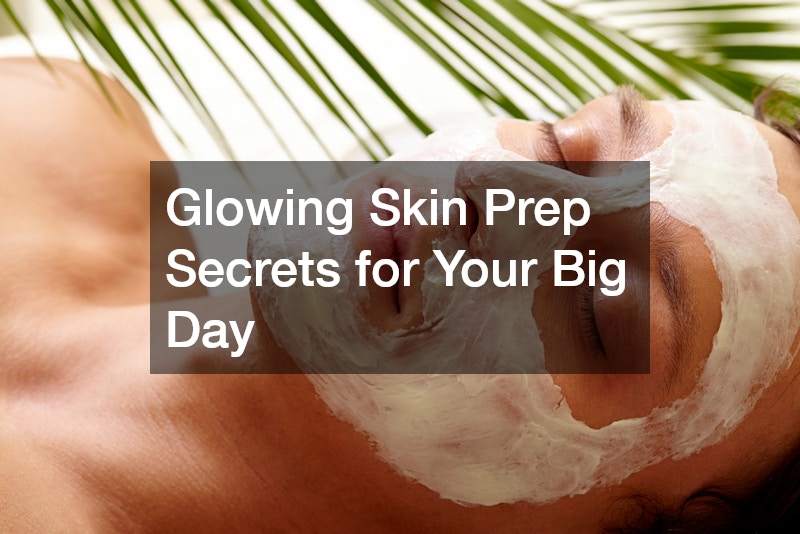
Your wedding day photographs will exist for decades, which means the condition of your skin on that single morning matters more than most brides and grooms anticipate. The pressure to look luminous has fueled a booming pre-wedding skincare industry, but the loudest advice isn’t always the most effective. Knowing what actually works — and when to start — makes the difference between skin that photographs beautifully and skin that requires heavy corrective makeup to manage. This guide cuts through the noise and gives you a realistic, timeline-driven approach to arriving at your wedding with genuinely healthy skin.
Why the Timeline Is the Most Underestimated Factor
Most people underestimate how far in advance serious skin preparation should begin. Dermatologists broadly agree that six months is the minimum runway for addressing concerns like uneven texture, hyperpigmentation, or persistent breakouts. The reason is biological: skin cell turnover cycles run approximately 28 days in younger adults and slow to 45 or more days as people age. Any treatment that works at the cellular level — retinoids, professional chemical peels, laser resurfacing — needs multiple cycles to show its full effect.
Starting too late creates a specific and common risk. A bride who books her first professional peel eight weeks before the wedding is gambling on recovery time. Redness, peeling, and purging breakouts are normal responses to active treatments, and compressing the timeline leaves no buffer for adverse reactions. The safer structure is to use the first three months for active treatments and the final three months for maintaining results and calming the skin.
- Begin a retinoid regimen at least 5 months before the wedding, starting with a low concentration (0.025% tretinoin or an over-the-counter retinol equivalent) to minimize irritation.
- Schedule any professional chemical peel series — typically 3 to 6 sessions — no later than 4 months out, with the final session at least 6 weeks before the date.
- Keep a skin journal for the first 60 days of any new regimen to track reactions and identify patterns before they become problems.
Professional Treatments vs. At-Home Routines
The honest answer about professional versus DIY skin prep is that most people benefit from both — but in different proportions depending on their starting point. Someone with relatively healthy skin dealing primarily with dullness or mild dehydration can get exceptional results from a disciplined at-home routine alone. Someone managing cystic acne, deep pigmentation, or rosacea will almost certainly need professional intervention.
Professional treatments carry a significant cost difference. A single HydraFacial typically runs between $150 and $300. A series of medical-grade peels can reach $800 to $1,500 total. Laser treatments — such as IPL for hyperpigmentation or fractional resurfacing for texture — often start at $400 per session and may require three sessions minimum. At-home alternatives are cheaper and slower but not ineffective: consistent use of vitamin C serum (10% to 20% L-ascorbic acid concentration), a well-formulated SPF 30 or higher daily, and a properly humectant-based moisturizer produces measurable improvement over six months.
The critical error in the professional route is treating it as a one-time event rather than a series. A single facial two weeks before the wedding does little for skin that hasn’t been prepped. At that point, a professional treatment is largely about surface glow, not structural improvement — which is fine as a finishing step, but not a substitute for the earlier work.
Nutrition, Hydration, and the Internal Factors People Skip

Topical products work at the surface. What drives lasting luminosity is largely systemic. Research published in dermatology literature consistently links dietary omega-3 fatty acid intake with improved skin barrier function and reduced inflammatory skin conditions. Collagen synthesis depends on adequate vitamin C — not just applied topically, but consumed. These aren’t fringe ideas; they’re mechanisms with solid biochemical support.
Hydration is frequently misunderstood. Drinking more water does not, by itself, resolve dry skin — that’s a barrier function problem typically addressed with occlusives and ceramide-based moisturizers. What adequate hydration does support is overall cellular function, including the lymphatic clearing that reduces puffiness. For the two weeks before the wedding, reducing sodium intake and alcohol consumption meaningfully affects facial bloating and under-eye puffiness, both of which affect how photographs read.
- Aim for 2 to 3 grams of omega-3 fatty acids daily from food sources (fatty fish, flaxseed, walnuts) or a supplement in the 6 months before the wedding.
- Reduce alcohol to fewer than 3 servings per week in the final month, and eliminate it entirely in the 72 hours before the wedding to minimize morning puffiness.
- Add a food-based or supplemental vitamin C source of at least 500mg daily to support collagen production during the active treatment phase.
Ingredient Conflicts That Derail Results

Skincare shelves are full of effective individual ingredients that work against each other when layered incorrectly. The most damaging combination in a pre-wedding routine is retinoids used simultaneously with high-concentration acids — AHAs like glycolic acid or BHAs like salicylic acid. Both increase cellular turnover. Together, they push skin into chronic irritation and sensitization that manifests as redness, flaking, and compromised barrier function.
A wedding photographer capturing your ceremony and reception will be working in natural and artificial light under close-range lenses, which means reactive, blotchy skin shows clearly even under professional makeup. The stakes of maintaining a calm skin barrier in the final weeks aren’t aesthetic vanity — they’re practical.
The other frequently ignored conflict is SPF timing. Many active ingredients, including retinoids and vitamin C, increase photosensitivity. Using either without a broad-spectrum SPF 30 or higher every morning — including overcast days — undoes the treatment’s benefits by accelerating UV-induced oxidative damage on newly sensitized skin.
- Never apply retinol and a glycolic acid toner on the same night; alternate them on separate evenings.
- Use a dedicated SPF moisturizer every morning within 5 minutes of the final step in your AM routine, regardless of weather.
The Final Two Weeks — What to Stop and What to Start
The final two weeks before a wedding require a shift from active treatment to protective maintenance. This is not the time to introduce any new active ingredient, try a new cleanser, or book a treatment type you haven’t done before. Skin needs a stable, known environment to arrive at the wedding calm and even-toned.
What the final two weeks should include is consistent barrier support: a gentle cleanser, a ceramide-rich moisturizer applied morning and night, a reliable SPF in the morning, and — if the skin is showing any sensitivity — a plain, unfragranced balm as a night treatment. Sheet masks containing hyaluronic acid are genuinely useful here, not as gimmicks but because they deliver a short-term plumping effect that benefits photography within 24 to 48 hours of use.
What to stop: retinoids (pause at least 5 to 7 days before), exfoliating acids, any new supplement, and any professional treatment that creates recovery time.
Building the Day-Of Plan Around Your Prep
On the wedding morning, the goal is preservation, not intervention. Everything that could go wrong — a breakout, redness, a reaction to something new — needs to have been addressed weeks earlier. The day-of routine should be the simplest version of what your skin already responds well to.
Apply moisturizer and SPF first, wait 10 minutes, then let a professional makeup artist work on skin that’s calm and hydrated. If you’ve done the six-month work, primer isn’t compensating for texture — it’s refining a surface that’s already in good condition. The result is makeup that sits differently, photographs more naturally, and lasts longer.
Starting Early Pays Off More Than Spending More
The most reliable predictor of great wedding-day skin isn’t budget — it’s lead time. An $80 consistent retinoid-and-SPF routine started six months out will outperform a $2,000 treatment series that began eight weeks before the date. That said, the ideal approach for most people combines a professional consultation early in the timeline with a disciplined at-home maintenance routine. Book a single dermatology or licensed esthetician appointment 6 months out to assess your actual skin concerns, then build a realistic protocol from that assessment rather than following generic advice. That conversation costs less than a single HydraFacial and guides every decision that follows.