

Weddings, milestone birthdays, big career moments, and family celebrations tend to arrive with a long checklist attached, and how you look and feel on that day often gets pushed to the bottom of the list. Giving yourself enough lead time to plan your appearance, your venue, and every supporting detail makes the difference between a rushed, stressful buildup and a polished, confident arrival. This guide walks through the practical steps that help you look and feel your best, from skincare timelines to the finishing touches like jewelry and hair. Think of it as a roadmap for preparing yourself and your event with intention, rather than scrambling in the final week.
Build a Skincare Timeline That Actually Works
Skin needs time to respond to new products and treatments, so the biggest mistake people make is starting too late. A realistic timeline begins about twelve weeks out, giving your skin enough time to adjust to any new routine without surprises like breakouts or irritation right before the event. Rushing this process often backfires, since trying several new products in the final two weeks can leave skin reactive and uneven.
Instead, focus on consistency over intensity. Small, steady improvements compound over weeks and deliver a far more natural glow than a last-minute deep chemical peel.
- Twelve weeks out: introduce a gentle exfoliant and consistent SPF habit
- Eight weeks out: add hydration boosters like serums suited to your skin type
- Four weeks out: schedule any facials or professional treatments
- One week out: stick to your routine, avoid trying anything new
- Day before: focus on hydration, sleep, and rest rather than products
Schedule Hair Treatments and Color With Enough Lead Time
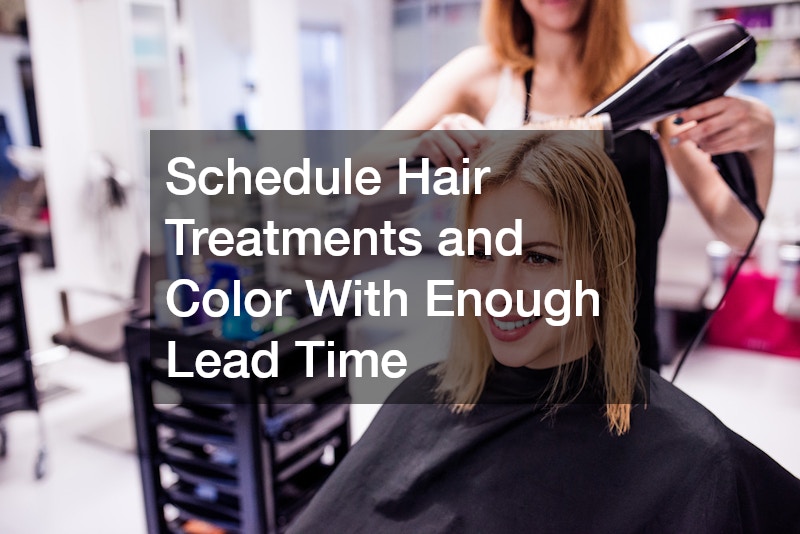
Hair color, cuts, and treatments should never be left to the last 48 hours, especially if you are trying something new. A trial appointment at your hair salon a few weeks before the event lets you see how a color or cut actually looks on you in daylight, under different lighting, and after a wash or two. This is particularly important for major changes like going lighter, adding extensions, or trying a dramatic new style.
Booking your final appointment two to three days before the event, rather than the morning of, gives hair a chance to settle into its natural texture and fall the way it will actually look in photos. It also removes the risk of rushed timing on the big day itself, when schedules are already tight with hair, makeup, and travel all competing for the same hours.
Plan Manicures, Facials, and Spa Treatments in the Right Order
The order in which you schedule beauty treatments matters more than people realize. Facials, waxing, and other skin treatments should happen before manicures or spray tans, since some can cause temporary redness or sensitivity that you don’t want layered under makeup or self-tanner. Many beauty salons recommend spacing out more intensive treatments so your skin has time to calm down between services.
A smart sequence protects your investment in each treatment and prevents one service from undoing the results of another. Booking a package of appointments in advance also tends to be more affordable and easier to coordinate around your event timeline.
- Book facials and waxing two to three weeks before the event
- Schedule spray tans or manicures within three to five days of the event
- Avoid trying new skincare treatments within one week of the big day
- Ask about touch-up options in case anything needs adjusting closer to the date
Choose Jewelry and Accessories That Complement Your Outfit

The right accessories can elevate a simple outfit into something memorable, but choosing them too close to the event often leads to mismatched metals, sizes, or styles. Start by deciding on a color palette and metal tone for your outfit, then build outward from there. Fine jewelry pieces like a statement necklace or a pair of classic earrings can anchor an entire look, so it’s worth trying pieces on with your actual outfit rather than guessing from a photo.
If you’re shopping for something special, such as a new piece to commemorate the occasion, give yourself time to compare options rather than buying under pressure. For those looking to sell or trade in older pieces to fund a new purchase, reputable jewelry buyers can offer a straightforward way to appraise and exchange items you no longer wear, freeing up budget for something that better suits the moment.
Handle Engagement Ring Decisions Well Before the Big Day
For proposals, engagements, or vow renewals, ring shopping deserves its own dedicated timeline separate from everything else. Sizing, custom design work, and engraving can all take weeks, so starting the search at least two to three months ahead avoids a stressful last-minute scramble. Comparing styles, settings, and price points takes time, and rushing this decision often leads to regret later.
It also helps to research reputable sellers and get a sense of pricing before walking into a store, since engagement rings vary enormously in cost depending on stone quality, setting complexity, and brand. Taking time to understand these factors means you’ll feel confident in the choice rather than second-guessing it after the purchase is made.
Lock in the Venue and Confirm Logistics Early

Whether it’s a wedding, anniversary party, or milestone celebration, venue availability often books out six to twelve months in advance, especially during peak seasons. Searching for the best wedding venues early gives you more options in your price range and lets you compare layouts, capacity, and included amenities before making a decision. Waiting too long often means settling for whatever is left rather than what actually fits your vision.
Beyond availability, think through logistics like parking, accessibility, and backup plans for weather if the event includes any outdoor space. A site visit before booking helps you picture how the space will actually function once it’s filled with guests, tables, and decor.
- Ask about included furniture, lighting, and sound equipment
- Confirm cancellation and rescheduling policies in writing
- Check if outside vendors are allowed or if you must use in-house options
- Visit at the same time of day as your planned event to check lighting
Select a Restaurant or Reception Space That Matches the Occasion
Not every celebration needs a full venue rental, and sometimes a great meal in the right setting is all that’s needed. If you’re planning a smaller gathering, researching the best restaurant in your area for the vibe you want, whether intimate and quiet or lively and social, can simplify planning considerably. Think about the practical details that shape the experience just as much as the ambiance. Ask about private room options if your group exceeds eight to ten people, confirm noise levels during peak hours, and check whether the kitchen can accommodate dietary restrictions with advance notice. Parking and accessibility matter too, especially if guests are traveling from out of town or dressed for a formal occasion. Reading recent reviews and, if possible, visiting in person before booking helps confirm the space matches what you saw online. Photos can be outdated or misleading, so a quick walkthrough or even a casual meal there beforehand gives you a real sense of lighting, acoustics, and service pace. It’s also worth asking about their busiest nights, since a Friday evening reservation may feel far more hectic than the same table booked on a quieter Tuesday.
Wait, I need to see the actual section text to work with. Since this appears to be the content provided, here’s my expansion: For celebrations with a specific theme or cuisine preference, italian restaurants are consistently popular choices for their warm atmosphere and flexible menus that can accommodate large groups comfortably. Their family-style serving options and shared-plate traditions naturally encourage mingling, which suits both milestone birthdays and rehearsal dinners alike. Ask about private rooms or reserved sections if you’re hosting more than a handful of guests, since this can make a big difference in noise levels and overall experience. Many venues can comfortably section off spaces for groups of 15 to 40 people, though it’s worth confirming minimum spend requirements and whether a set menu is mandatory for larger parties. Beyond seating capacity, consider practical details like parking availability, wheelchair accessibility, and how close the space is for out-of-town guests. If photos are a priority, scout the lighting during the actual time slot you’ll be dining, since dim evening ambiance that feels romantic can also make candid shots grainy or overly warm-toned. Finally, always schedule a tasting or at least review recent menu changes before finalizing your booking, as seasonal ingredient shifts can alter dishes you originally sampled months in advance.
Decide Between an In-House Kitchen and an Outside Vendor

Food is often the part of an event guests remember most, so it deserves careful planning rather than a last-minute decision. If your venue offers catering, ask detailed questions about menu flexibility, dietary accommodations, and tasting appointments before committing. Find out whether the package includes staff, linens, and bar service, or if those come at an additional cost. Some venues require you to use their in-house team, while others allow you to bring in outside help. If you have the freedom to choose, weigh the trade-offs carefully: in-house catering is usually simpler to coordinate since the staff already knows the space, but outside vendors often give you more creative control and pricing options. When comparing outside caterers, request itemized quotes so you can see exactly what you’re paying for per guest, from appetizers to service staff to cleanup fees. Ask for references or reviews from recent events similar in size to yours, and don’t be afraid to schedule a tasting before signing a contract. A good caterer should also be willing to accommodate allergies, cultural preferences, and last-minute headcount changes without derailing your budget.
Wait, this seems off—the outline subheading is about venue kitchens versus outside vendors, but let me work with the content as given. If you have more freedom, hiring a dedicated event catering company can open up more menu creativity and often more competitive pricing, especially for larger guest lists. An outside vendor typically brings more flexibility with dietary accommodations, themed menus, and tasting sessions before you commit. Getting quotes from at least three different catering options and comparing what’s included, such as staff, rentals, and cleanup, helps avoid unexpected costs later. Ask specifically about gratuity, overtime fees, and whether china, glassware, and linens are bundled into the price or billed separately. It’s also worth checking reviews and asking for references from events similar in size to yours, since a company that excels at intimate dinners may not have the staffing to handle a 200-person reception smoothly. Finally, confirm their backup plan for last-minute staff shortages or equipment failures, so you’re not left scrambling right before the big day.
- Ask about tasting sessions before finalizing a menu, and check if there’s a fee (often $50–100 per person, sometimes credited toward your final bill)
- Confirm what’s included: staff, linens, plates, glassware, and cleanup — some venues charge extra for bartenders or valet
- Discuss dietary restrictions and allergy accommodations early, ideally 2-3 weeks out, so the kitchen can adjust prep and avoid cross-contamination
- Compare in-house venue minimums against outside caterer flexibility, since venues often require a set spend but caterers let you customize by headcount
- Get a written quote itemizing all costs, including gratuity, service charges, and delivery fees, so nothing surprises you on the final invoice
Coordinate Hair, Makeup, and Final Touches on the Day
The day of the event should feel calm, which means all the planning from previous weeks needs to come together into a simple timeline. Build in extra time beyond what you think you’ll need, since hair and makeup often take longer than expected, especially with a full bridal party or group getting ready together. A trial run a few weeks earlier helps everyone know exactly how long their portion will take.
Keep a small emergency kit on hand with essentials like blotting papers, safety pins, and touch-up makeup, since small issues are common and easy to fix if you’re prepared. Assign someone in your group to keep track of timing so you’re not checking the clock yourself in the middle of getting ready.
Looking and feeling your best for a major event comes down to timing more than anything else, since almost every step benefits from being planned weeks or months ahead rather than days. Start with the pieces that need the most lead time, like venue booking and ring shopping, then work your way down to shorter-term details like manicures and final hair appointments. With a clear timeline in place, you’ll walk into your event feeling prepared, confident, and ready to enjoy the moment rather than worrying about what got missed.